
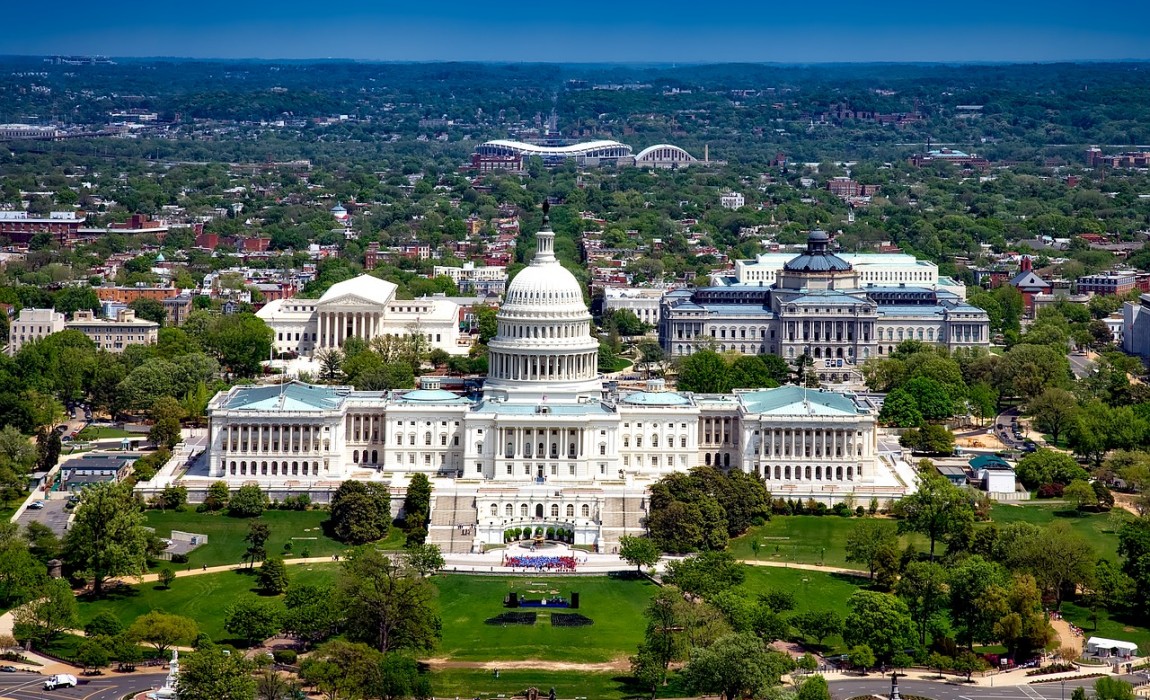
Making the move from Philadelphia, PA to Washington, DC can mean many new opportunities. However, it can also mean changes that require you to adapt. In order to make sure you’re prepared for the challenges this move can bring, it’s important to take time to prepare. To help make this easier, some important tips for preparing to move from Philadelphia to DC can be found below.
1. Find a Home
The real estate market in DC is competitive, which means even apartments tend to go quickly. The prices are also higher in DC, which can be a sticker shock for those who are used to the more affordable prices in Philly. For both of these reasons, it’s important to research and even visit before you move so you can lock down a place.
Fortunately, there are some great neighborhoods you can consider, whether you are renting or buying. Arlington, Garret Park, North Bethesda, South Kensington, and North Potomac are some of the most popular because of their safety, beauty, and great school systems.
2. Consider Transportation
The majority of residents in DC do not own a car unless they live in the suburbs around the city. Instead, they rely on the highly regarded public transportation system to get around. While you can certainly keep your car if you already have one, you must first make sure you have a place to park it. Otherwise, you could end up paying extra fees for a garage space. Traffic is also something to think about, as it tends to be extreme in this city. This is why so many choose public transit, as it can reduce daily commute times considerably.
3. Cost of Living
Washington, DC has a higher cost of living than Philadelphia, especially when it comes to real estate and transportation. If you aren’t earning more money once you move, this could mean struggling to make a dollar go further. Nerd Wallet has a cost of living calculator that you can use to help you prepare for the expenses. While things will vary when you arrive, it’s an excellent resource for helping you prepare.
4. Where You’ll Work
If you’re not relocating for an existing job, then it’s important to find one before moving. While the government employs the majority of residents in DC, there are job opportunities for those who work in fields related to tourism. You can gain more insight into the job market by visiting U.S. News.
5. Things You’ll Do
Do you have certain activities that you enjoy? If so, make sure you’ll be able to do them in the area you choose to live. You might also want to look into parks in your area, where museums are located, and the variety of child-friendly attractions in the area as well. If you don’t plan on driving, then make sure public transit is nearby to make traveling around town easier.
Small Move with Big Opportunities
Philadelphia, PA, and Washington, DC are a short distance apart but are vastly different. While this can bring some challenges initially, many find that their quality of life in DC is better than anticipated. By doing your research ahead of the move, you’ll have peace of mind that you’ll end up happy with the change. As you plan your move, don’t forget about hiring movers. Cheap Movers Philadelphia (744 South Street #722, Philadelphia, PA 19147, (215) 618-9686) has some of the most affordable Wilmington moving company prices, with low rates and weekly service from Philly to Washington DC.